
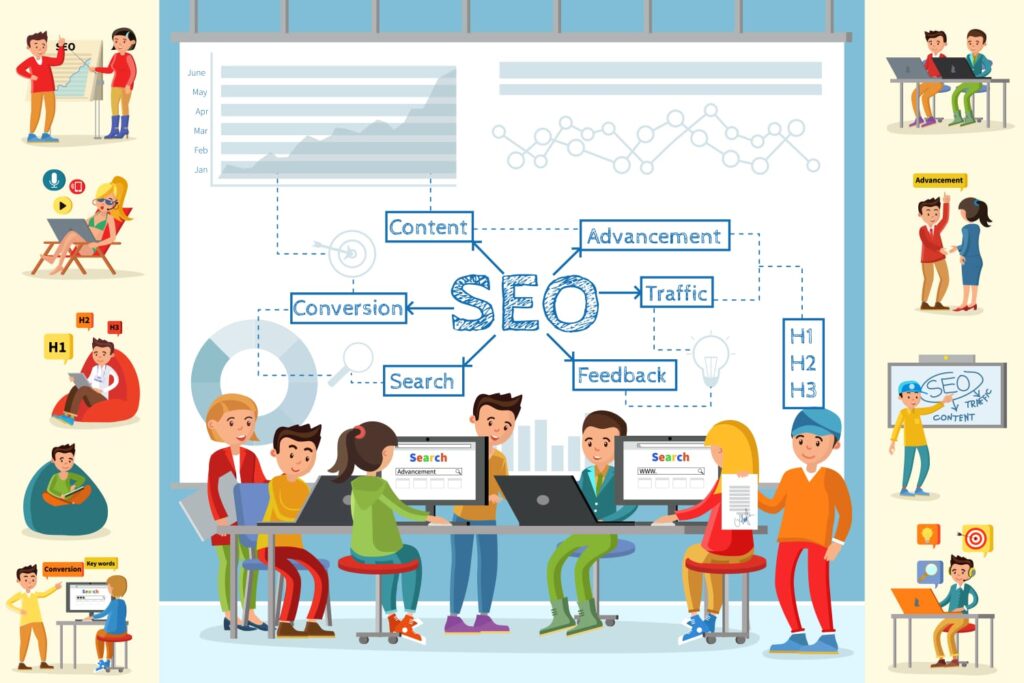
Complete SEO Guide for Beginners: A Comprehensive Overview for Success
Introduction to SEO
SEO (Search Engine Optimization) is the process of improving a website so that it appears higher in search engine results like Google, Bing, and Yahoo. In simple words, SEO helps your website show up when people search for related topics. It increases visibility, brings organic traffic, and builds trust.
SEO is a free method of getting traffic, unlike paid advertisements.
Complete SEO Guide for Beginners: Essential Techniques
Why SEO Matters
SEO is important because it helps websites grow online and reach the right audience.
Key benefits of SEO:
✔ Increases website visibility
✔ Brings targeted traffic
✔ Builds credibility and trust
✔ Provides long-term results
✔ Helps businesses compete online
For example, if someone searches “best chocolate cake near me,” SEO helps a bakery appear in search results. This increases chances of getting customers.
How Search Engines Work
Search engines use automated bots to find and organize web pages. The process includes three main steps:
- Crawling
Crawling is the process where search engine bots scan websites to discover new or updated content.
Sitemaps and internal links help search engines find pages easily.
- Indexing
After crawling, search engines store the content in their database.
Only indexed pages can appear in search results.
- Ranking
When a user searches something, Google’s algorithm decides which pages should appear first.
Ranking depends on factors such as content quality, relevance, backlinks, website speed, mobile-friendliness, and user experience.
Difference Between SEO, SEM, and SMM
SEO (Search Engine Optimization)
SEO focuses on organic traffic from search engines. It includes keyword optimization, content creation, and link building.
SEM (Search Engine Marketing)
SEM includes paid advertisements on search engines like Google Ads.
SMM (Social Media Marketing)
SMM focuses on promoting content through social media platforms such as Instagram, Facebook, and LinkedIn.
Summary:
SEO = Free long-term traffic
SEM = Paid traffic
SMM = Social media marketing
What is SERP?
SERP stands for Search Engine Results Page. It is the page displayed after a search query.
SERP includes different features such as:
Featured Snippets
Knowledge Graph
People Also Ask (PAA)
Local Pack (Map Results)
Shopping Results
News and Videos
Modern SEO focuses not only on ranking in top results but also on appearing in these features.
Types of SEO
- On-Page SEO
On-page SEO refers to optimization done within your website.
It includes:
Title tags
Meta descriptions
Headings (H1, H2, H3)
Keyword usage
Internal linking
Image alt text
High-quality content
- Off-Page SEO
Off-page SEO involves activities outside the website to improve authority and trust.
It includes:
Backlinks
Guest posting
Social sharing
Brand mentions
Online reviews
When other trusted websites link to your content, your website authority increases.
- Technical SEO
Technical SEO improves website structure and performance.
It includes:
Website speed optimization
Mobile responsiveness
HTTPS security
XML sitemap
Robots.txt
Fixing errors
Structured data (Schema markup)
A fast, secure, and well-structured website has better ranking chances.
Conclusion
SEO is one of the most powerful digital marketing strategies. It helps businesses increase visibility, attract targeted traffic, and build trust online.
Understanding SEO is essential for anyone starting a career in digital marketing. With proper keyword research, content optimization, and technical improvements, websites can achieve long-term success.